ENVIRONMENT
Sustainable design for a better future
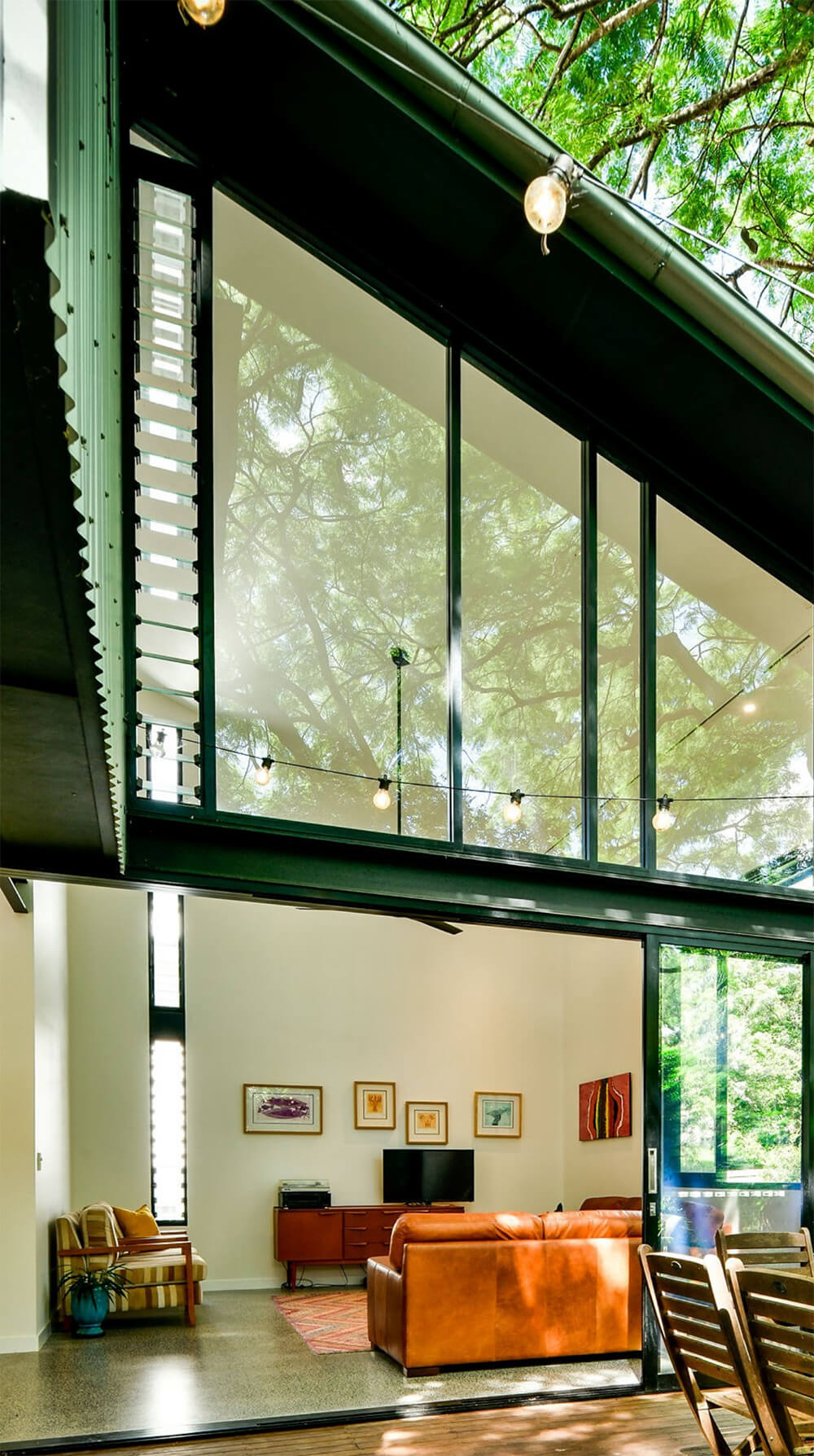
Stephanie Skyring has always been dedicated to creating beautiful, comfortable, and energy-efficient homes that embrace the sun and breezes. As climate change makes environmental performance more critical, Stephanie now delivers advanced sustainable solutions that go far beyond standard design.
Through her Renovation Collaborative Podcast, Stephanie has interviewed Australia’s leading environmental experts. She now integrates their cutting-edge research and services directly into her architectural projects.
Passive House

Stephanie Skyring is a Certified Passive House Designer. Passive House is a rigorous international standard that ensures homes are healthy, exceptionally energy-efficient, and maintain perfect temperature and humidity with filtered fresh air.
Because technology in this space evolves rapidly, we collaborate with specialized Passive House consultants. This ensures our projects implement the latest technical solutions in the most cost-effective way possible.
Learn more: Renovation Collaborative Podcast Season 2 — Passive House: The smart solution for our changing world.
Life Cycle Assessment & Low Carbon
A Life Cycle Assessment is a systematic method of evaluating the environmental impact of every material in a building—from raw extraction and manufacturing to construction and eventual disposal.
We use LCAs to quantify carbon footprints and waste generation, helping us reduce embodied carbon and make data-driven, sustainable choices.
Learn more: Renovation Collaborative Podcast Season 3 — Sustainable Design: The latest science and solutions.

Our sustainable principles:
- Less is More: Efficient floor plans that use materials sparingly.
- Natural & Renewable: Emphasizing recycled timber, hempcrete, and bamboo.
- Energy Performance: Climate-responsive design, High-Performance/Passive House standards, and all-electric solar power.
- Locally Made: Prioritizing Australian and New Zealand manufactured products.
- Prefabrication: Utilizing factory-made components to drastically reduce on-site waste.
- Circular Economy: Maintaining and reusing existing building fabric to the maximum extent.
- Water Management: Integrated rainwater, greywater, and stormwater reuse systems.
- Ecological Balance: Smaller building footprints to preserve the natural environment.
- Healthy Interiors: Focusing on non-toxic materials and constant fresh air.
- Longevity: Selecting durable materials specifically suited to our subtropical climate.